OVERVIEW
Immersive learning depends on interaction. If a stylus feels awkward to hold or difficult to control, students spend less time exploring and more time figuring out the tool.
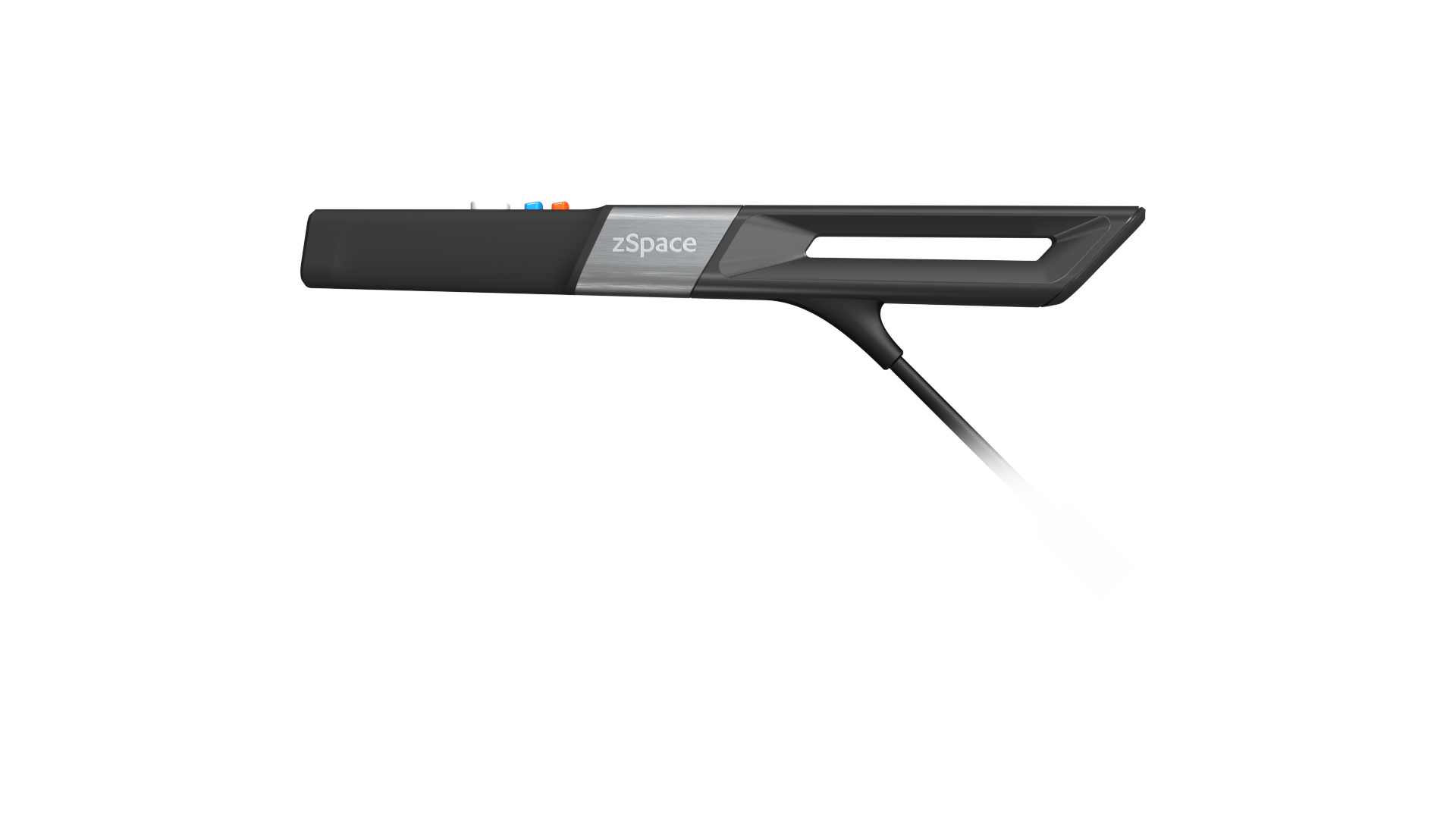
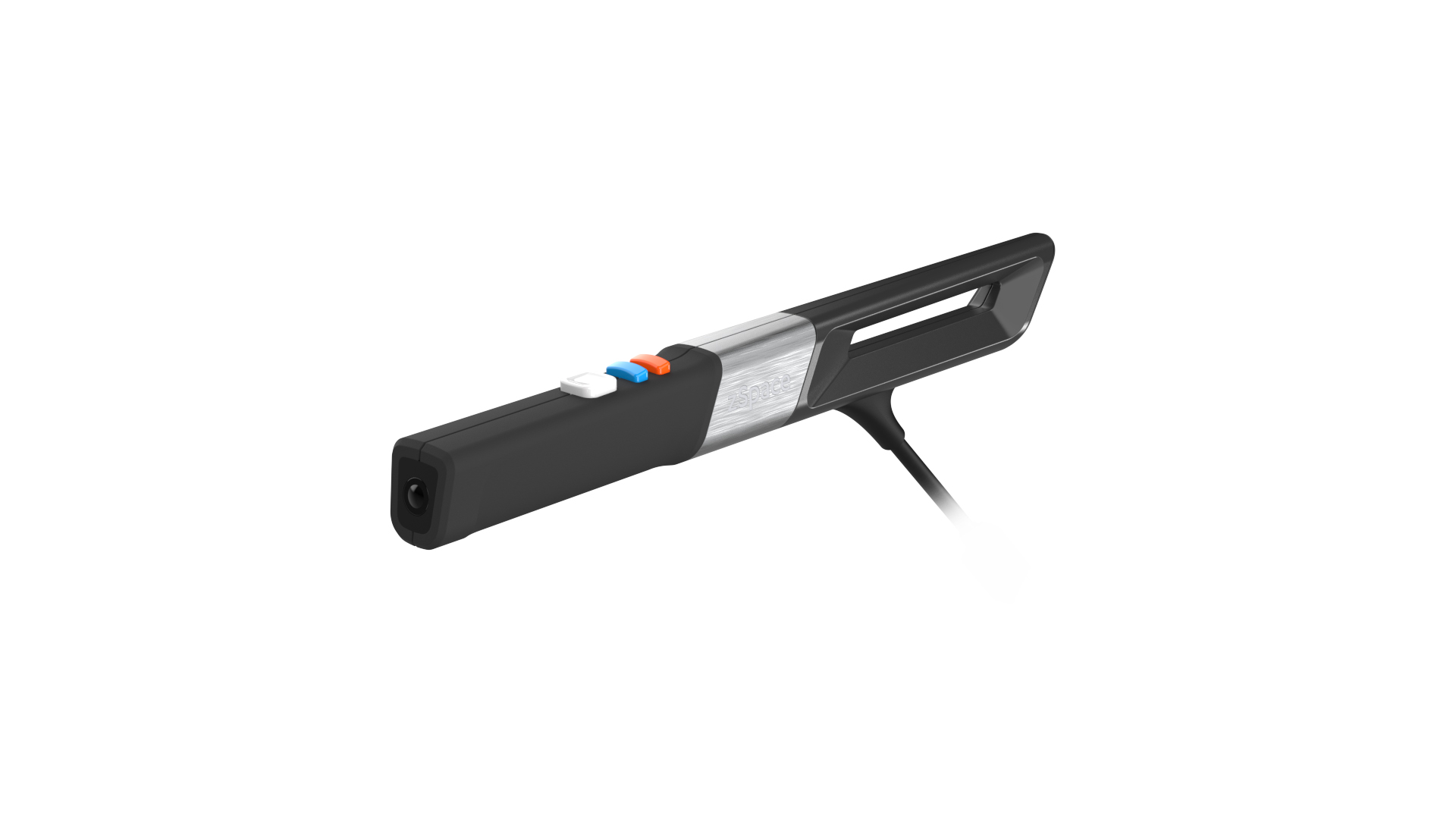
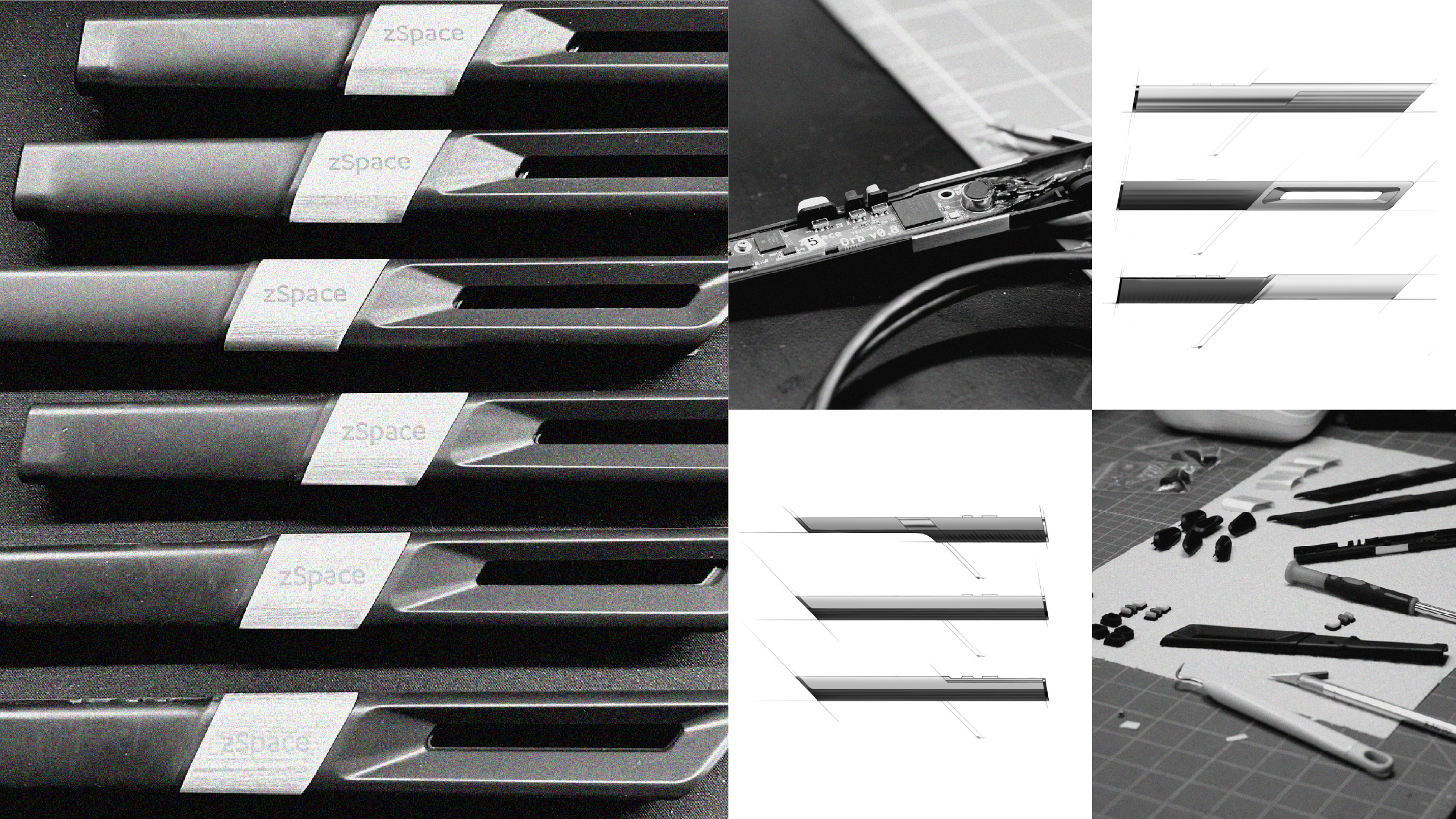
As zSpace developed its next-generation AR/VR stylus, the challenge extended well beyond industrial design. The device needed to package cameras, electronics, and controls into a compact form factor while remaining intuitive for students with different grip styles and learning behaviors.
Through usability research, rapid prototyping, and product development, the team refined the stylus around the way students naturally interact. By bridging human factors, industrial design, and mechanical engineering, Mighty helped zSpace make their product a reality for manufacturing and classroom learning.
INSIGHT
Rather than designing around assumptions, Mighty observed how students actually used the stylus. Testing showed that users frequently changed grips, rotated the device, and moved closer to the screen while interacting with virtual objects. Those behaviors became the foundation for the product's evolution.
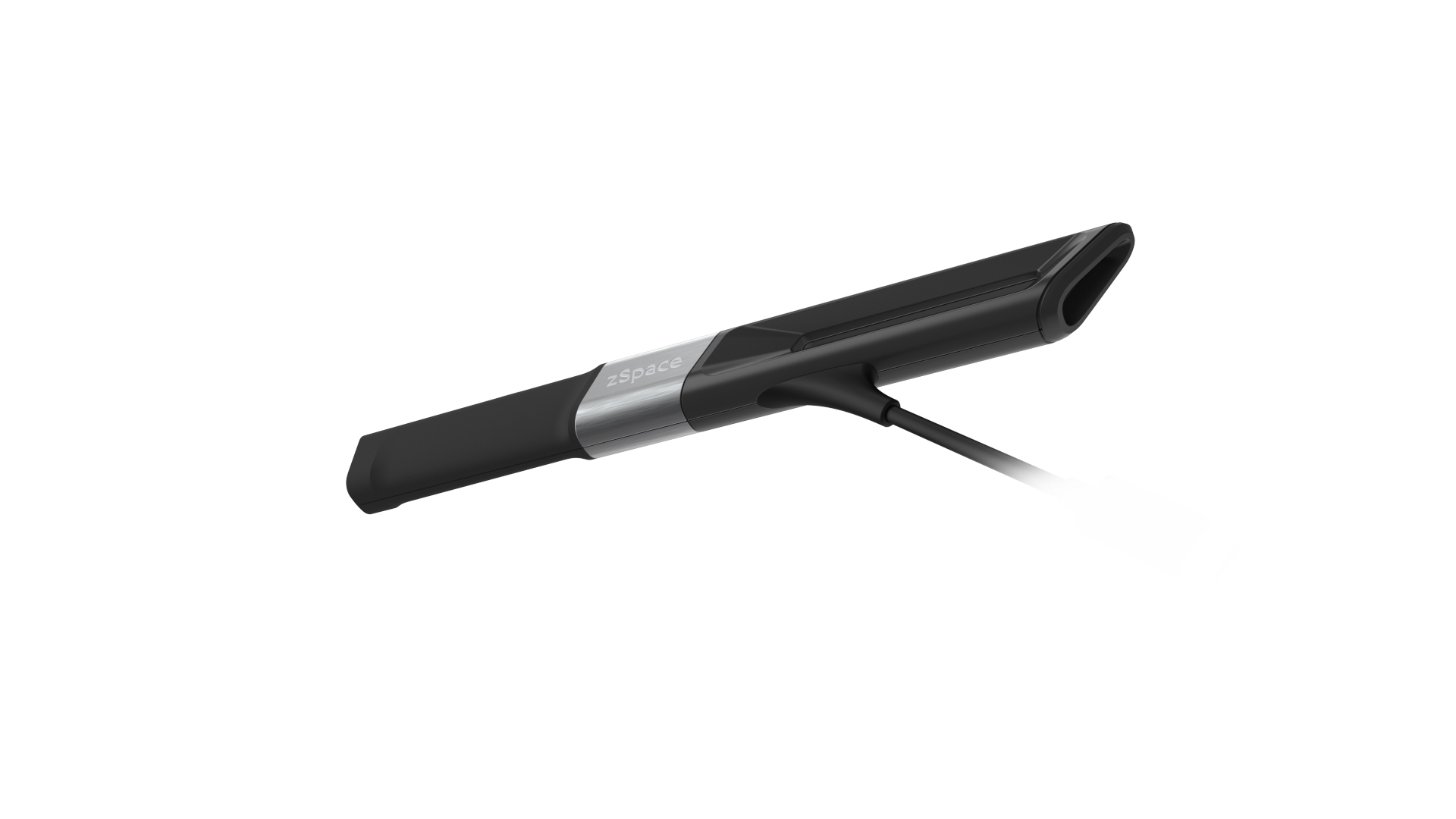
One of the biggest design challenges was balancing ergonomics with the realities of packaging electronics inside a handheld device. Cable routing, PCB placement, and button locations were closely connected. Every mechanical decision affected how the stylus felt in the user's hand.
Usability research ultimately favored a rear-exit cable, reducing interference during use while simplifying internal cable routing to a single PCB.
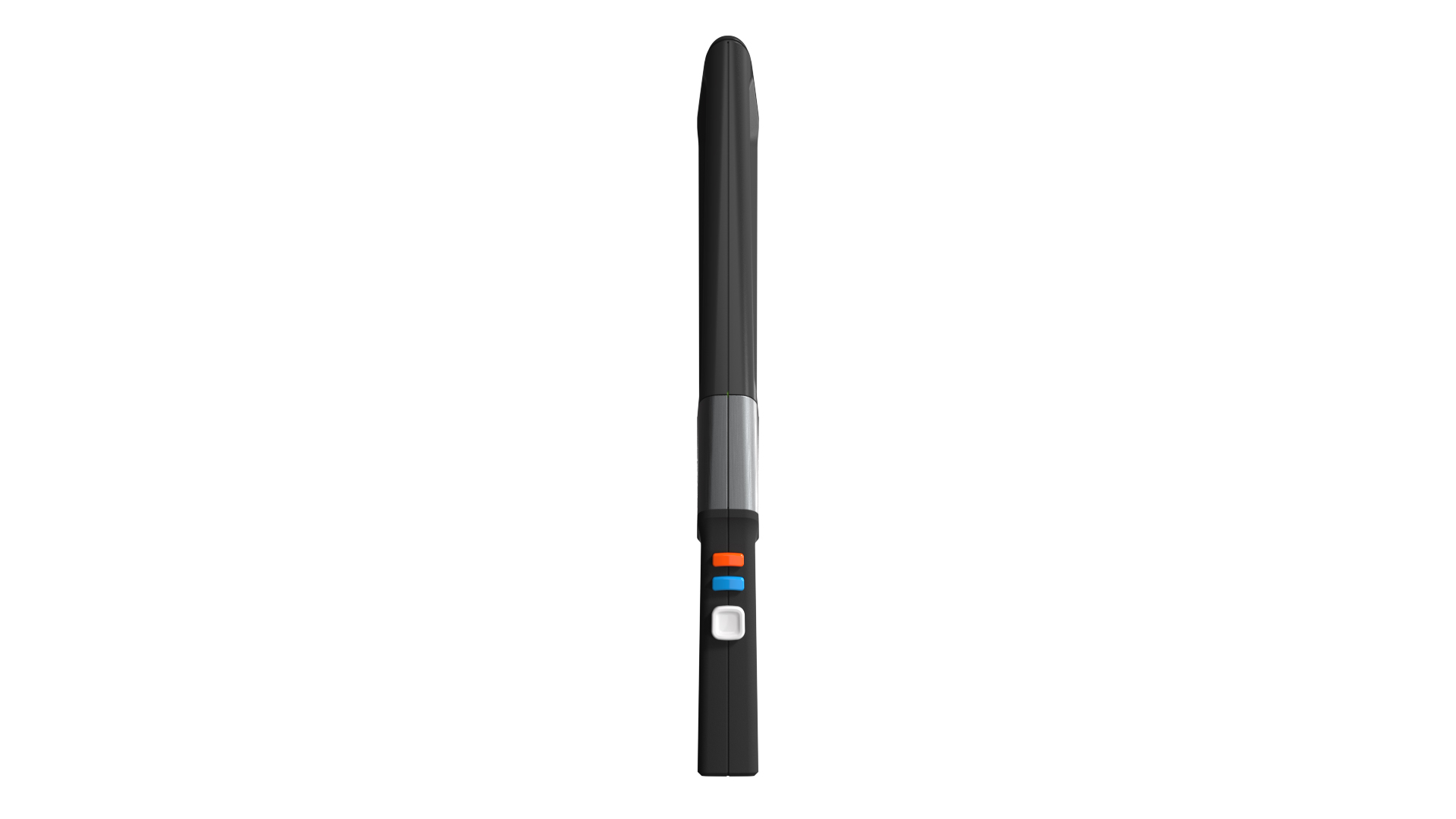
The controls received the same level of attention. Testing found that students relied on touch rather than sight, making button spacing, shape, and comfort critical. The team refined the controls with increased spacing, softer surfaces for extended presses, and distinct profiles that made each button easier to identify by feel.
Like many successful products, the final design was shaped by dozens of small decisions rather than one breakthrough idea. By integrating user research, industrial design, and engineering from the outset, Mighty helped transform a complex piece of technology into a tool that feels intuitive, allowing students to focus on learning instead of the hardware.